
BY SUMMER CRANDALL
We’ve all seen gas prices fluctuate over the past decades. One year, filling up your tank feels routine. Next, it feels like a setback. But with renewed tensions in the Middle East, particularly involving the United States and Iran, many Americans are asking the same question: what’s going to happen now?
The uncomfortable truth is that we already know what happens next. When instability touches major oil producing regions, prices climb. Not necessarily because supply has stopped overnight, but because markets move on fear and expectation. According to the U.S. Energy Information Administration (EIA), global oil prices are heavily influenced by global tensions, particularly in regions that control critical routes for oil and gas, a good example would be the Strait of Hormuz, through which roughly one-fifth of the world’s petroleum liquids pass. Even the threat of disruption can send gasoline upward before a single barrel is removed from circulation.
That is exactly what we are seeing again. Reuters has reported that renewed military tensions involving U.S. and Iranian forces have pushed global oil prices higher as traders anticipate potential supply interruptions. Markets react first, consumers feel it later. And by the time it shows up on the glowing numbers at local gas stations, it is already too late to avoid the ripple effect.
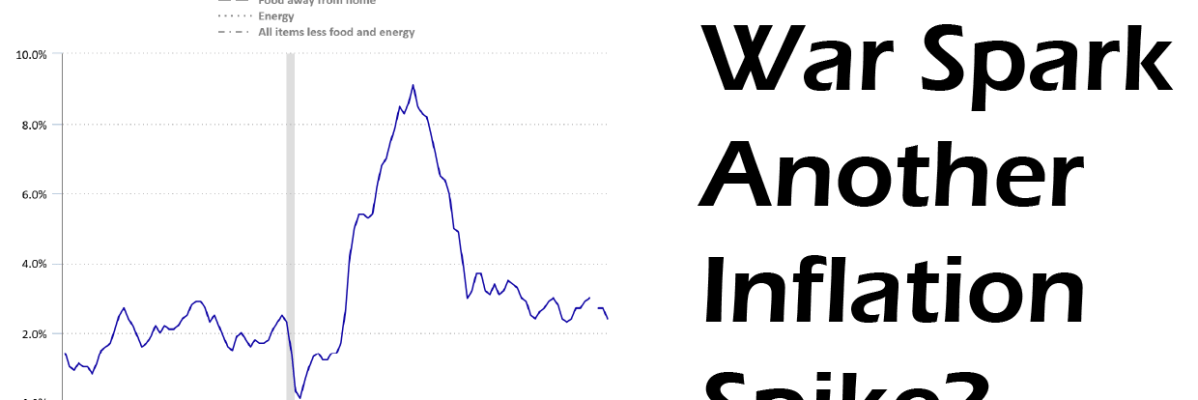
Higher oil prices do not stop at the pump. The EIA consistently notes that crude oil costs account for more than half of the retail price of gasoline. When crude rises, transportation costs rise. When transportation costs rise, so does the price of groceries, shipping, airfare, and everyday goods. Inflation may have cooled from its recent peak, but energy volatility threatens to reignite economic pressure on households that are still recovering
Policymakers need to stop relying on short term fixes alone; reserves are a buffer, not a permanent solution. Using them repeatedly without addressing structural dependence only delays the next shock.
We should not be shocked every time gas prices rise during global tension. We should be asking why we remain this vulnerable. Until we reduce our exposure to international supply disruptions, oil price spikes will remain a recurring headline and a recurring burden on American households.
The real question is not whether prices will go up again. They will. The question is whether we finally decide to build a system that does not leave us bracing for impact every time conflict erupts overseas.
Categories: Opinion

 THS Media