
BY: LIAM KEITH
Sept. 11, A day New York Jets fans will never cease to forget, the Jets opened the season after a long awaited debut for their seasoned veteran quarterback, Aaron “Arod” Rodgers. The Buffalo Bills received the ball first and after a few short plays, they punted the ball to the Jets. Fans spent months waiting for this moment, Arod does his typical jog onto the field and the crowd erupts in cheers. Then, a few snaps into the game Rodgers drops back and a failed cut block lets linebacker Leonard Floyd earn an easy sack. Everything seemed fine, until Arod sat down and seemed to call for medical attention. He was carted off the field for what seemed to be an achilles injury. The world found out Tuesday Sept. 12, Arod, who was the main storyline of the NFL offseason, will spend the entire season sidelined with a complete tear of his achilles.
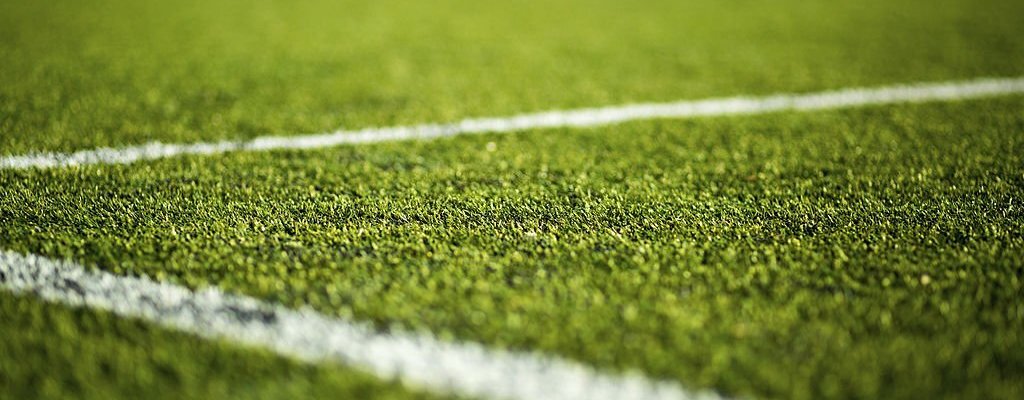
This moment sparked an ongoing debate about artificial turf fields versus real grass fields. Metlife Stadium is synonymous with non-contact injuries, so it’s no surprise this began to heat up on social media and the NFLPA released a grievance about injuries on turf. Clearly, this issue is major for professional athletes in the limelight, but what about those at a lower level? What about the people who aren’t on national television weekly, non collegiate athletes but at a high school level?
Keynon Johnson is a Truman student and football player. He lives, breathes, and eats football. A senior, Johnson has played the game since he was allowed to play interscholastic athletics—never once has him quitting being an issue. In June, he earned a devastating turn of events. On a typical play Johnson wanted to take a shot at running back, but when he ran and tried to perform a spin move, but instead of a devastating juke leaving the defender grasping at air he received a hit to his knee. An audible pop was heard, something he’ll never forget.
The next few days were a blur; MRI after MRI and several doctor appointments later, it was confirmed. His ACL was torn. To say this was devastating to him is an understatement, This was his dream fading before his eyes. It is his last year before he is off to college, and he will continue to be sidelined for months to come. This injury occurred on turf. You’ll see a pattern that these injuries mostly coincide with turf fields. When asking about his injury the first thing Johnson said was, “The turf just gave out on me.” To elaborate he explained that his feet didn’t stay planted when he dug for the spin move.
Players like Johnson don’t just get sidelined on the field; players like Johnson have to take a timeout on their life. Not only will he not be able to play, but he can’t run, jog, jump or lift. Those are all things that aren’t just exclusive to football. Not only that, but your senior year is one of the most vital years of your highschool career. He lost it and now is forced to work ten times harder. All due to the turf not letting him have a fair chance.
It’s not just spectators and stats suggesting a change is warranted, the players prefer grass too. Truman’s running back Mose Tapusoa spoke with us about the issue,” Kept grass is the best thing to play on, especially in contact sports.” Tapusoa is both a rugby and a football athlete. Rugby is traditionally played on grass and football on turf. Tapusoa also tore his ACL early in October of 2022—he has yet to be cleared and it’s September, five weeks into the season. He made it extremely clear that the grass needed to be kept or else it would do no less good than turf.
Though we like to have these discussions about turf versus grass, the real issue is the money. While you can buy turf and leave it there for 15 years without it needing to be replaced, maintaining grass takes a lot more work. Labor isn’t free and the upholding of the grass is what prevents so many schools from using it. It always comes down to a money issue for Truman and other high schools. Professional leagues generate various amounts of revenue in different avenues that high schools simply cannot match. The same for the NFL is starting to apply for colleges; several programs are in great markets, and are allowed to advertise and garner revenue just as equally.
So is there a solution? Unfortunately, you’d either have to give the schools more money or innovate turf to the point where you can’t tell the difference between real grass and turf. Both options come with exorbitant price tags likely outside the reach of the average high school budget. . This unfortunately could lead us to an endless cycle of athletes laying on the turf in agony while fans despair what’s befallen their favorite players and teams. As more players will suffer, the spectators will watch in agony while our favorite players get injured time and time again.
Categories: News
 THS Media